Textured Ceramic Art
Textured ceramic art has experienced a remarkable resurgence in recent years, captivating collectors and interior designers alike with its tactile appeal and distinctive aesthetic. Unlike smooth, glazed ceramics, textured pieces invite touch and interaction, creating depth and visual interest that transforms ordinary pottery into compelling sculptural objects. This ancient craft technique combines traditional methods with contemporary design sensibilities, resulting in works that feel both timeless and refreshingly modern.
What makes textured ceramics unique
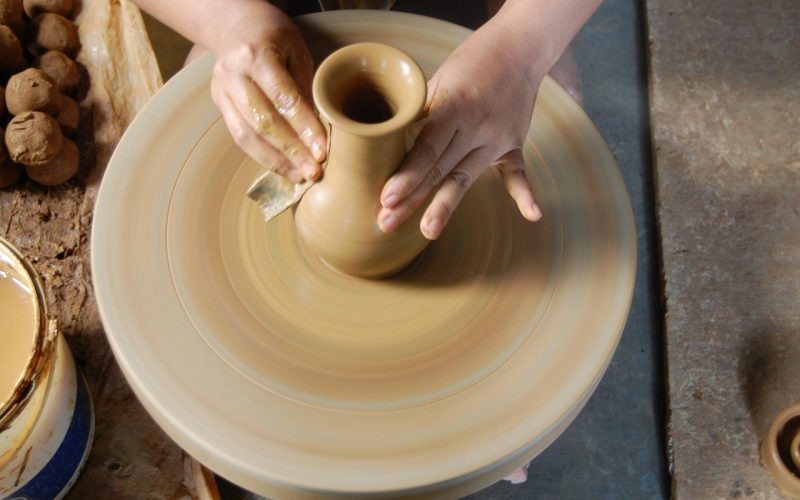
The defining characteristic of textured ceramic art lies in its surface treatment. Artists manipulate clay whilst it's still malleable, using various tools and techniques to create ridges, grooves, dimples, or raised patterns. Some potters carve intricate designs into leather-hard clay, whilst others press fabrics, natural materials, or custom stamps into the surface. These textural elements catch light differently throughout the day, causing shadows and highlights that bring the piece to life. The result is artwork that changes appearance depending on viewing angle and lighting conditions, offering a dynamic visual experience that smooth surfaces simply cannot match.
Popular techniques for creating texture
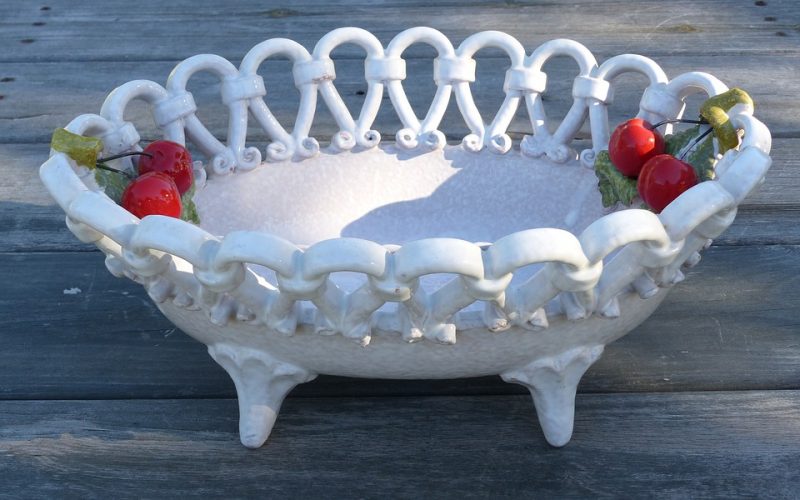
Ceramic artists employ numerous methods to achieve textured surfaces. Sgraffito involves scratching through layers of slip or glaze to reveal contrasting colours beneath. Impressing uses found objects—leaves, lace, rope—to leave permanent marks in soft clay. Some artists apply thick slips or glazes that crack during firing, creating organic patterns called crazing. Others build up surfaces with additional clay coils or pellets, forming dimensional landscapes across bowls, vases, and sculptural forms. Each technique requires precise timing and an understanding of how clay behaves at different moisture levels, making textured work particularly demanding from a technical standpoint.
The sensory appeal of tactile art
Textured ceramics engage viewers on multiple sensory levels simultaneously. The urge to run one's fingers across a ridged surface or trace carved patterns creates an intimate connection between artwork and observer. This tactile quality makes textured pieces especially appealing in domestic spaces, where they serve as both decorative objects and sources of comfort. Many collectors describe the calming effect of holding a textured mug or bowl, noting how the surface variations provide sensory feedback that enhances the experience of daily rituals like morning coffee or evening tea.
Contemporary artists pushing boundaries
Today's ceramic artists are reimagining textured work through innovative approaches. Some combine traditional pottery wheel techniques with hand-building methods to create hybrid forms. Others experiment with unconventional materials mixed into clay bodies—sand, paper pulp, volcanic ash—that alter both texture and structural properties. Installation artists scale up textured techniques to create immersive environments, whilst minimalists explore subtle surface variations that reward close observation. This diversity demonstrates how textured ceramics continue evolving whilst maintaining connections to centuries-old craft traditions.
Caring for textured ceramic pieces
Maintaining textured ceramics requires slightly different care than smooth pottery. Dust and debris can accumulate in grooves and recesses, so regular gentle cleaning with a soft brush helps preserve appearance. Most textured pieces should be hand-washed rather than placed in dishwashers, as aggressive water jets may damage delicate surface details. Unglazed textured areas can absorb oils from skin contact, developing a subtle patina over time that many owners cherish as evidence of use and affection. Proper care ensures these distinctive pieces remain beautiful for generations.
Where textured ceramics fit in modern interiors
Textured ceramic art complements various interior design styles, from rustic farmhouse to contemporary minimalism. A single statement vase with dramatic surface treatment can anchor a neutral space, whilst collections of smaller textured pieces create visual rhythm on open shelving. The organic, handmade quality of textured ceramics provides welcome contrast to the smooth, manufactured surfaces prevalent in modern homes. As people increasingly seek meaningful, artisanal objects that tell stories and reflect human touch, textured ceramic art continues gaining appreciation as both functional ware and collectible art.